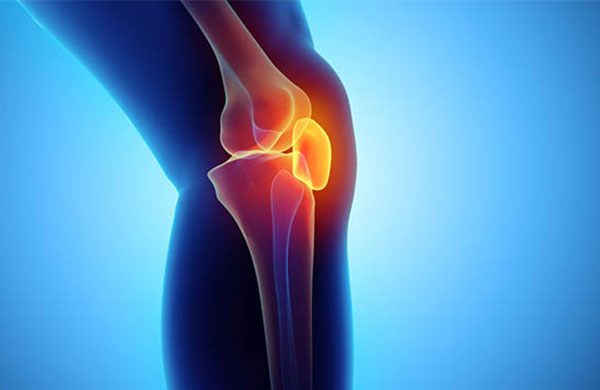
Knee Pain Doctor in Hyderabad
Knee Pain – Causes, Types & Treatment You Must Know
Knee pain doctor in Hyderabad | Dr. Praharsha Mulpur
Many people who suffer from knee pain resort to taking some self-care measures – which help in relieving minor knee pain. Sometimes, knee pain may become aggressive and progressively debilitating. In some cases, activities – such as walking, running, and climbing stairs can increase knee pain. Aging may also tend to increase knee pain progressively. You’re at risk of knee pain if your BMI level is high, bones are weak, and if you are involved in high-risk activities and sports.
Your knee is made up of cartilage, bones, tendons, and ligaments. It is the largest joint in the body. All the knee parts combine together to provide movement. The knee joint is subjected to wear and tear, stress, and strain for a number of reasons. If you have knee pain, inquire about the types, causes, and treatments for knee pain before contacting the best knee pain doctors in Hyderabad.
Knee pain causes
Knee pain: Your knee joint is vulnerable to stress and strain, injuries and damage as it is used daily. Any condition of the knee joint manifests as knee pain. It is a common orthopedic condition as it affects people of all ages. Knee infections, knee injuries, damage caused to knee parts, knee bone fractures, torn ligaments and tendons, and medical conditions such as osteoarthritis of the knee joint can cause mild to severe knee pain.
Injuries that cause knee pain
The complex knee joint is made of knee bone, cartilage, tendons, ligaments, and muscles that surround it. Any damage or injury to these parts can cause knee pain.
Patellar tendinitis: Tendons are the fibrous tissues that attach muscles to bones. Athletes, sportspersons, cyclists, skiers, runners, and people who are involved in contact sports are prone to patellar tendon injury which may result in inflammation. Patellar tendinitis causes inflammation and irritation in the patellar tendons.
Knee bursitis – Bursae are small fluid sacs that cushion outside the knee joint. The ligaments and tendons glide smoothly over the knee joint with the help of tendons. Inflammation of bursae may be due to knee injuries.
Torn meniscus – A shock absorber helps in absorbing a shock between the knee bones in the knee joint. Tough cartilage called meniscus acts like a shock absorber. Many people may tear their meniscus when they suddenly twist their knees while bearing weight.
Fractures – Knee bone fractures mostly happen during falls and accidents – such as motor vehicles and car accidents. Damage to knee bone -especially the kneecap can also be due to weak knee bones owing to osteoporosis and also may be due to taking wrong steps.
ACL injury – Anterior cruciate ligament (ACL) connects the shinbone to the thigh bone. A tear in this ligament is known as ACL injury. This type of injury is common in sportsmen and sportswomen – especially those who play football, basketball, or any other type of sports or contact sports.
The above-mentioned knee injuries are the most common causes of knee joint pain.
Mechanical problems that cause knee pain
Here are some of the mechanical problems that can lead to knee pain:
Loose body: If a broken piece of bone or cartilage floats between the knee joint space due to a degenerative knee condition or knee injury, it creates problems as the loose body causes hurdles in the movement of the knee joint.
Iliotibial (IT) band syndrome: This type of syndrome occurs due to an injury or overuse of the connective tissues located on your outer thigh and knee. Long-distance runners and cyclists are vulnerable to iliotibial (IT) band syndrome.
Knee pain after running
Many people experience knee pain after running. It is one of the most common types of knee pain. It can be due to IT band syndrome, knee bursitis, or runner’s knee. It can also be due to issues with the thigh muscles, feet or weak thigh muscles, knee injury or knee overuse, or unbalanced activities. This condition is known as patellofemoral pain syndrome. In some cases, chondromalacia patella also causes knee pain. In this condition, the cartilage under the knee bone breaks down and causes knee pain. If you notice this, then meet the best knee pain doctor in Hyderabad.
Dislocated kneecap: The triangular bone in the front of the knee is called the patella. Sometimes it shifts out of place resulting in the dislocated kneecap. It causes severe knee pain.
Hip or foot pain
People who suffer from foot or hip pain tend to change their walking style to relieve pain. But, by doing so, they put additional stress on their knee joint owing to modified movement. They experience knee pain.
Types of knee pain (Arthritis and associated conditions)
More than 100 arthritis types exist in this world. The types of arthritis that affect your knee include:
Pseudogout – It is different from gout as it is caused due to the formation of calcium-containing crystals in the joint fluid Many people get confused it with gout. The knee joint is the most commonly affected joint in the body.
Gout – In this type of arthritis, uric acid crystals build up in the knee joint and cause knee pain, swelling and inflammation.
Rheumatoid arthritis –This is the most common and severe type of arthritis. It can occur in any joint of the body – and also in knee joints. This is an autoimmune condition.
Septic arthritis – The symptoms of this type of arthritis are swelling, inflammation, pain, warmth to touch, fever, and severe knee pain. It is also known as infectious arthritis or joint infection. Infectious microorganisms grow in the knee joint and can cause this condition.
Osteoarthritis
This is a common degenerative type of knee arthritis wherein the cartilage that surrounds the knee joint may deteriorate over a period of time. This is a progressively damaging condition due to advancing age and knee joint overuse. In this condition, the cartilage of the knee joint wears out completely resulting bone on bone condition. Knee bones grind against each other causing excruciating knee pain. If you think that your knee pain could be due to mechanical problems, knee injuries, knee inflammation, knee infections, and osteoarthritis of the knee joint, then consult Dr. Praharsha, one of the best knee pain doctor in Hyderabad.
Joint Pain Treatment
Read the following information prior to meeting a joint pain specialist in Hyderabad
Many people suffer from different types of joint pains due to different types of causes. Joint pain is very common. Knee pain, hip pain, elbow and shoulder pain are the most common types of joint pains. An injury or damage caused to the joint due to any disease or disorder can cause joint pain.
If joint pain is interfering with movement and causing trouble, then Dr Praharsha Mulpur recommends you to read the following information completely.
Muscle and Joint pain with Fatigue
Body and muscle pain, sensitivity, exhaustion and fatigue are the typical signs of fibromyalgia. Its cause is unknown. Tingling sensation in hands and feet, sensitivity to sound and light and morning stiffness are the other symptoms of this condition.
- Chronic fatigue syndrome can also cause similar symptoms that include joint and muscle pain with fatigue.
- In some people, fibromyalgia can be due to physical trauma or surgery and infections.
Autoimmune Conditions
Rheumatoid Arthritis – The condition is associated with muscle and joint pain, joint inflammation, fatigue with low-grade fever.
Lupus symptoms – This condition also shows similar symptoms including low-grade fever, joint pain, muscle and body pain, exhaustion, rash, sensitivity to light and sound, redness and swelling around the joints and fatigue. The major sign is joint inflammation – which is due to the immune system attacking cells and tissues throughout the body – especially in the joints and blood vessels.
Gout Causes Joint Pain
Joint pain causes by uric acid: Uric acid accumulates in excess forming urate crystals in the joint. The condition results in swelling, severe pain and inflammation. It is known as Gout. It is a type of arthritis the risk of which increases due to an unhealthy lifestyle, obesity, eating excess red meat, shellfish, consuming excess alcohol and beer. Certain health conditions such as kidney disease, heart disease, metabolic disorders, obesity and diabetes increase the risk of gout.
Joint pain caused by nerves
The pain feels more like burning, stabbing or shooting pain. The other symptoms of neuropathy or nerve pain include numbness or tingling sensation. Damaged caused to the nerves may result in electric or lightning strike type of pain. In the majority of the cases, the nerve pain can be due to neurological conditions – such as multiple sclerosis, diabetic neuropathy and viral infections. Nerve pain due to orthopaedic conditions can be attributed to tissue damage, torn ligaments or pinched nerves by tissues or bones. Herniated discs, fractured vertebrae, slipped discs and carpal tunnel syndrome can cause nerve pain (neuropathic pain). This type of pain doesn’t respond to NSAIDs.
Joint pain in legs
Soft tissues injuries are the prominent causes of joint pain in the legs. Injuries in the joints, cartilages, bones, muscles and ligaments, tendons, and soft tissues cause joint pain. Sometimes, leg pain can also be due to spinal conditions.
Some common causes of joint pain in legs are Achilles’ tendinitis, Achilles’ tendon rupture, Chronic exertional compartment syndrome, osteoarthritis, Osteomyelitis, Paget’s disease of the bone, Patellar tendinitis, Patellofemoral pain syndrome, peripheral artery disease (PAD), peripheral neuropathy, Pseudogout, Psoriatic arthritis, septic arthritis, reactive arthritis, rheumatoid arthritis, sciatica, bursitis, ACL injury, broken leg, – and many such conditions.
Joint pain with swollen, tender and red joint – which is warm to touch and persistent for more than two to three days should get evaluated by an orthopaedic doctor. In some cases, fever may be persistent along with joint pain.
Joint pain in children
In children, joint pain is mostly due to growing pain – which may be due to musculoskeletal pain. Almost 30% of children suffer joint pain due to this reason. Growth spurts in children may not lead to joint pain as many people may assume it to be due to growth. Fatigue, restless leg syndrome, vitamin D deficiency and low tolerance to pain can cause this type of pain in children. Joint pain in children can also be due to other causes such as juvenile idiopathic arthritis, Lyme disease, lupus and leukaemia.
Many children outgrow their condition related to growing pain as they grow. However, if the pain lingers for long, seems to be unusual or severe and is associated with weakness or fatigue, loss of appetite, tender joints, swollen red joints, weight loss, and fever, you should seek an appointment with the joint pain specialist in Hyderabad.
Bottom Line
Your problem could be due to any of the several causes of joint pain.
You may resort to taking over-the-counter pain relief medicines to get relief from joint pain and also take some other measures. You will get some temporary relief by adopting these measures, but when you use such medicines excessively your joint pain can become worse. Irrespective of the measures you take and the treatment you undergo by your family physician, it is important for you to get timely medical help by approaching a good joint pain specialist.
Timely Care is Important
Proper and accurate diagnosis of the underlying cause is very important for the prompt and effective treatment of joint pain. In the absence of treatment or delay in seeking treatment in time, your joint can deteriorate progressively and may deform completely – making the condition worse.
Dr Praharsha Mulpur, a renowned Joint pain specialist in Hyderabad, is currently working as a joint replacement surgeon in the Department of Robotic Joint Replacement Surgery at Sunshine Hospitals, Hyderabad. He is a renowned joint Pain Specialist & Joint Replacement Surgeon in Hyderabad.

Hip Pain Treatment
Hip Pain What You Need to Know?
Hip joint is the body’s largest joint. It is a ball-and-socket joint and the most stable and strong joint. The top of the thigh bone is ball like. It sits inside a hallow socket in the pelvis. This type of joint provides different types of joint movements in the body.
The Hip Joint and Movement
The joint fits in such a way that it allows smooth movement. The hip bone moves in its socket. The cartilage cushions the hip bones in this joint and prevents friction as the hip bone moves. The cartilage also prevents the bones of the hip joint from rubbing against each other. Whenever a person moves – walk, jog, jump and run this cartilaginous cushion acts like shock absorber and reduces the impact. The hip joint is covered by muscles that are secured to the bones by tendons.
The Synovium
The tendons and muscles together form a capsule around the joint and help move the joint. The synovium inside the joint lubricates the joint with synovial fluid and keep the cartilage healthy. The entire joint help support the upper body and legs. The hip joint can withstand repeated motion and a fair amount of wear and tear.
Hip Joint is Vulnerable to Damage
Despite the most strong, stable and durable joint, hip joint is vulnerable to wear and tear and damage. The tendons and muscles can get overused. Falls and injuries can damage the hip joint and break the bones. Aging and overuse can also wear down cartilage. Hip pain can result due to any of these reasons. It is a term used to refer to the pain felt in and around hip joint. The pain doesn’t always feel from the hip itself, but may instead be felt in the thigh or groin area.
Surprising causes of Hip Pain
Sometimes, a problem with your hip joint can manifest as knee pain – in this case, the pain is felt in the front of the leg and knee and also in the groin.
Radiated or referred Hip Pain: This is fairly common. In some people knee pain is the only sign of problem with their hip. Sometimes, lower back pain can also radiate to buttocks and hip. The person experiencing this type of pain feel pain in the buttocks and outside of their hip.
When to See an Orthopaedic Doctor for your Hip Pain?
You should see your orthopaedic doctor immediately if you:
- Have hip bone injury
- Have had a fall
- Are experiencing hip pain which is getting worse
- Are having walking difficulty
- Are finding it difficult to lean forward while sitting and moving upstairs and downstairs.
- Feel unwell or feverish or losing weight.
Bottom Line
Persistent chronic hip pain not getting better with medications and home remedies should get evaluated by an experienced orthopaedic doctor. Problems with the ligaments, tendons, muscles and soft tissues that surround the hip joint can cause hip pain in the outside of your hip or buttocks. Pain within the hip joint can be due to problems within the hip joint itself. Sometimes, conditions and disorders in the lower back pain can also cause hip pain. This type of pain is called referred or radiating pain. Furthermore, a wide range of health issues as discussed above can cause hip pain. Dr. Praharsha Mulpur has experience and expertise to precisely locate the area of the hip – based on the symptoms and valuable clues about the underlying cause.
